Protecting Your Home After Winter Storms in Northern Virginia
Winter in Northern Virginia can be beautiful, but heavy snow and ice can be tough on our homes. After a major storm, February is the perfect time for homeowners to slow down, warm up, and take a thoughtful look around the house to make sure everything weathered the storm safely. A little attention now can prevent costly repairs later and keep your home in great shape for the rest of winter and year.
Below are key areas every homeowner should check after significant snow and ice.
1. Roofs, Gutters & Ice Dams
Your roof takes the biggest hit during winter storms. Once conditions are safe:
-
Look for missing or damaged shingles and signs of sagging.
-
Check gutters for ice buildup or debris that could block proper drainage.
-
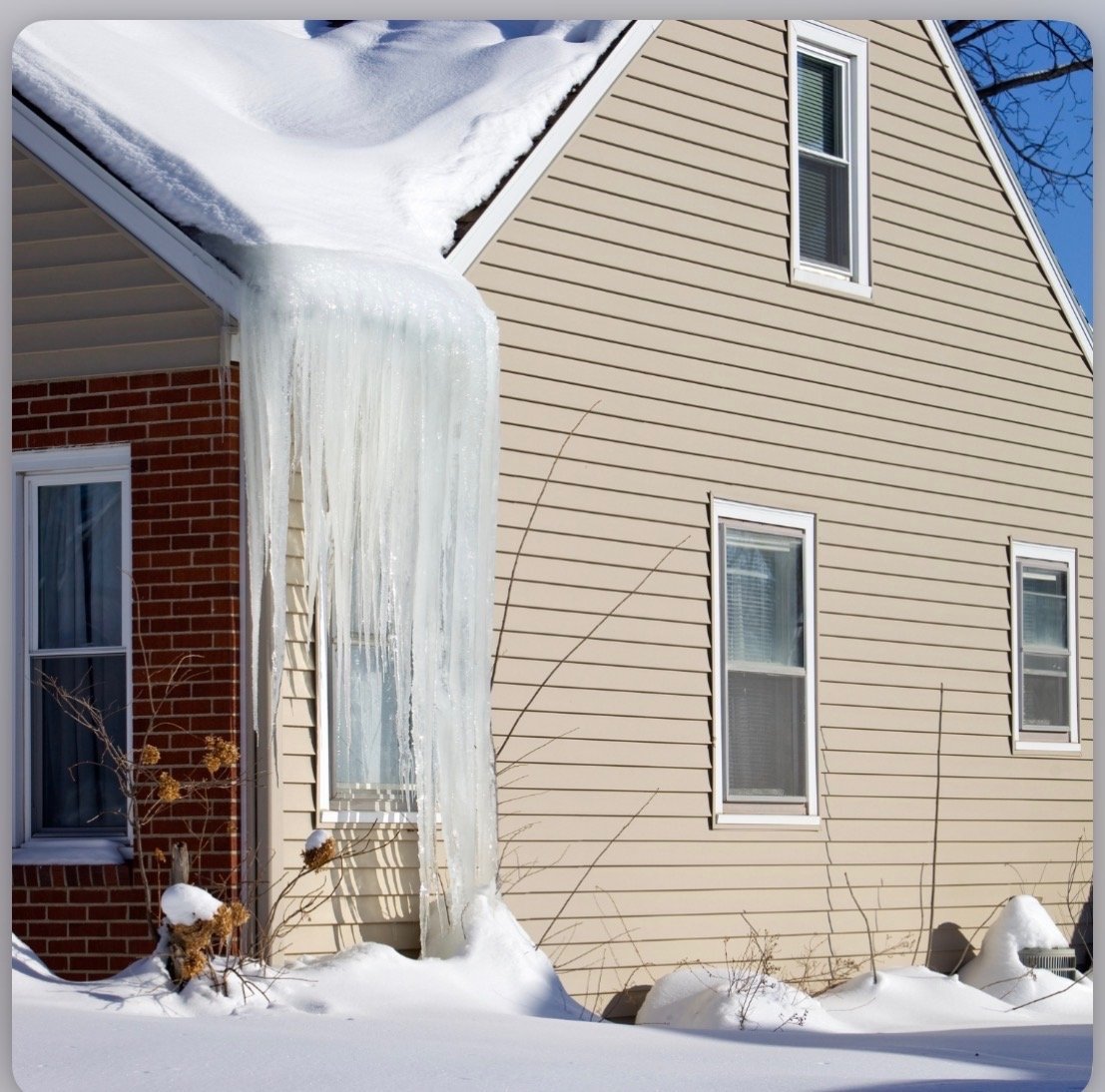
Watch for ice dams (thick ridges of ice along roof edges), which can force melting snow back under shingles and into your home.
💡 Tip: If you notice water stains on ceilings or walls, contact a professional right away.
2. Attics & Ceilings
Inside your home, keep an eye out for:
-
Water spots, discoloration, or peeling paint on ceilings.
-
Damp insulation or musty smells in the attic, which can signal hidden leaks.
Early detection is key. Small leaks can quickly turn into major repairs if not addressed.
3. Pipes & Plumbing
Freezing temperatures can stress plumbing systems.
-
Check exposed pipes for cracks, bulges, or slow leaks.
-
Run water briefly in little used faucets to ensure everything flows normally.
-
Pay attention to unusual water pressure changes.
If you suspect a frozen or burst pipe, turn off the main water supply and call a plumber immediately.
4. Exterior Walls, Siding & Foundations
Snow and ice can hide damage, so once it melts:
-
Inspect siding, brick, and trim for cracks, warping, or loose sections.
-
Look around the foundation for new cracks or pooling water.
-
Always make sure downspouts direct water away from the home, not toward it.
5. Trees, Walkways & Driveways
Heavy snow can strain landscaping and hardscaping.
-
Check trees and shrubs for breaking or hanging branches near the house.
-
Inspect walkways and driveways for new cracks or lifting, often caused by freeze-thaw cycles.
-
Clear lingering ice to reduce slip hazards and liability concerns.
6. HVAC & Vents
Your heating system works overtime in winter.
-
Make sure exterior vents are clear of snow and ice.
-
Replace air filters and listen for any unusual noises from your HVAC system.
-
If you haven’t had a winter service check, February is a great time to schedule one.
A Smart February Habit
Think of February as a “home wellness check.” A simple walk-through inside and out can save you stress, money, and surprises as we move closer to spring.
If you’re thinking about selling later this year, addressing winter-related issues now can also help protect your home’s value and make future inspections smoother.
As always, if you have questions about homeownership, local market trends, or preparing your home for the seasons ahead, I’m here to help. Stay warm, stay safe, and enjoy the quiet beauty of winter.